

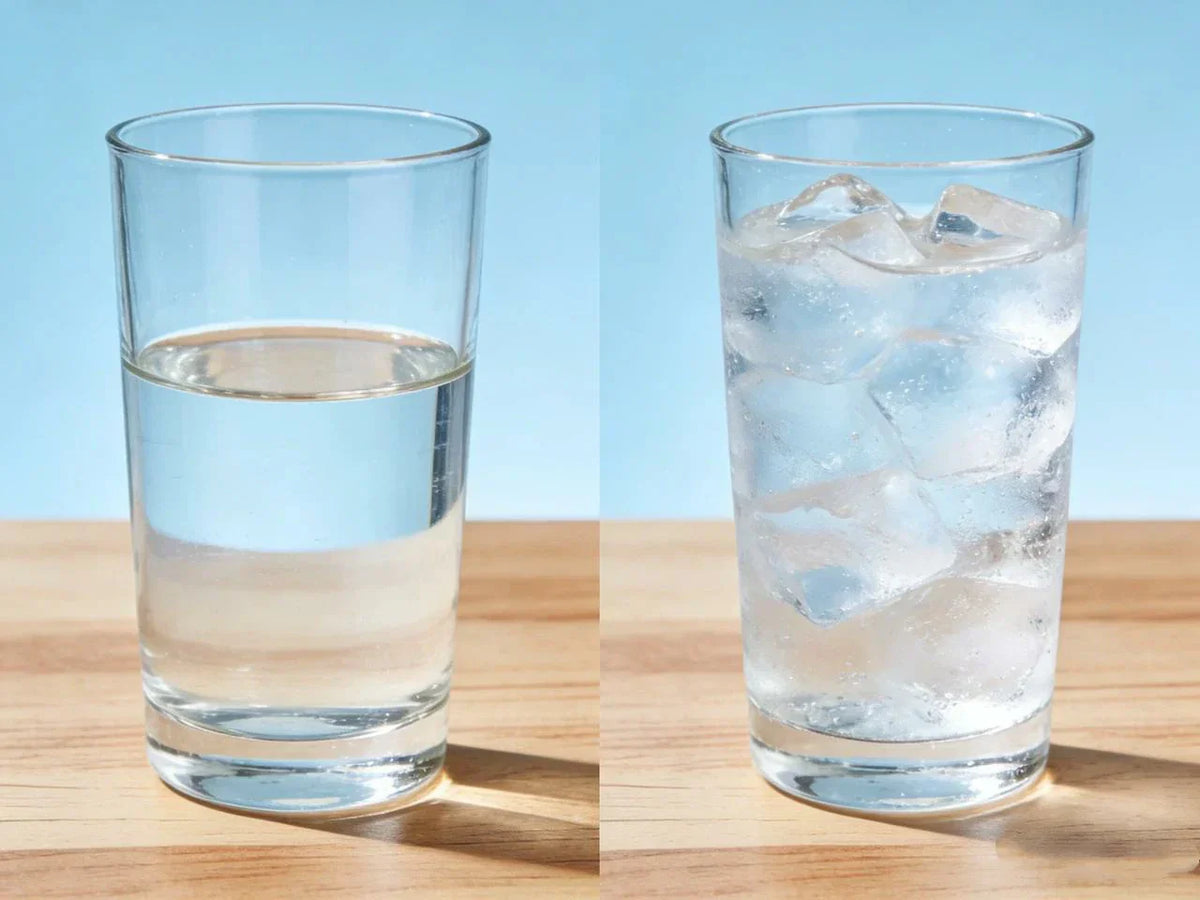
Choosing room temperature water vs cold water sounds like a small thing, but it can change how your body feels in real life—and it’s why many people ask is it better to drink cold or room temp water, or whether one is better at all. Have you ever chugged a glass of cold water after a run and felt instant relief—then felt a little stomach slosh? Or sipped room-temperature water with a meal and noticed it sits better? Water temperature can affect how fast you rehydrate, how comfortable your stomach feels, and how quickly you cool down in heat. This guide starts with a clear, practical answer to “what should I drink and when?” Then it explains the simple body science behind absorption, digestion, metabolism, and performance—without hype—so you can make the choice that fits your day.
When to Choose Room Temperature Water vs Cold Water (Fast Guide)
If you’re asking whether to choose water or room temperature water, or cold water instead, the most honest answer is: it depends on your goal, your body’s response, and personal preference. In many everyday situations, room temperature water is easier on the stomach and tends to support steady hydration—but that doesn’t mean one is better for everyone in every situation. In hot weather and during hard training, cold water can feel better and help you cool down faster.
Best choice by goal (daily hydration, workouts, meals)
-
Room temperature (≈15–22°C / 60–72°F): often the easiest to drink consistently, usually gentler for digestion, and commonly considered fast and efficient for rehydration.
-
Cold (≤10°C / 50°F): feels more refreshing, can help cool your core temperature in heat or after exercise, and may create a small calorie burn as your body warms it.
Decision table: “Pick your water temperature if…”
| Goal / Situation | Best temp | Why it helps | Trade-offs to know |
| Morning hydration (especially if you feel “dry” on waking) | Room temp | Goes down smoothly and is easy to sip right away | Cold may feel harsh on an empty stomach for some |
| Drinking with meals | Room temp | Often feels gentler and may reduce “heavy” stomach feelings | If you love cold and feel fine, it’s still okay |
| Long workout in heat (running, field sports) | Cold to cool | Helps you feel cooler and may reduce heat strain | Some people get stomach cramps if it’s very cold |
| Post-workout cooldown | Cold then room temp | Cold helps you cool fast; room temp helps steady rehydration | Don’t forget electrolytes if you sweat a lot |
| Headache- or migraine-prone | Room temp | Very cold drinks can trigger headaches in some people | Cold may be fine if you’ve never noticed triggers |
| Sensitive teeth | Room temp | Less sharp pain for exposed dentin or gum recession | Cold can cause quick tooth pain |
| “I forget to drink water” | Whatever you’ll drink more | Hydration volume matters more than the “perfect” temp | Pick the temperature that builds the habit |
Is room temperature water better than cold water?
For most people, water at room temperature is “better” for comfort and consistency, especially around meals and all-day sipping, which can quietly support overall health over time. But in hot weather or during intense exercise, cold water helps with cooling and may feel easier to drink in those moments. The key point is simple: drinking enough water throughout the day matters more than the exact temperature of your water.
Quick safety note (what matters more than temperature)
If you take only one idea from this article, let it be this: total fluid intake and consistency usually matter far more than whether your water is better for you at room temperature or cold. According to the World Health Organization (WHO), safe drinking water and adequate daily intake are the primary factors for hydration and overall health, while temperature is largely a comfort and preference issue rather than a health requirement. If you’re mildly dehydrated and you’ll drink two bottles because it’s cold, that often beats sipping half a bottle because room temp feels boring. Your best choice is the one that helps you drink enough water throughout the day.
Hydration & Absorption: What Research Suggests
Your body is always trying to keep things steady, including body temperature (around 37°C / 98.6°F). When you drink water, your stomach and small intestine move it along for absorption. Water temperature can change how that process feels—and sometimes how fast it happens.
Absorption speed and rehydration efficiency (room temp advantage)
In basic terms, room-temperature or slightly warmer water usually needs less “work” from your body because it’s closer to your internal temperature, which water may help support smoother hydration for some people. Many sports and digestion discussions point to a practical idea: water that isn’t icy tends to be processed smoothly, which can support faster rehydration for some people, especially when you’re sipping steadily.
This doesn’t mean cold water “doesn’t hydrate.” It does. But if your stomach tightens up or you slow down your drinking because it feels too cold, your real hydration can drop. In daily life, the fastest hydration is often the water you can drink comfortably and often.
Cold water during heat: cooling benefit vs slower uptake
Cold water has a clear win: cold water helps you feel cooler quickly, and water can also improve exercise comfort if it encourages you to drink more. When you’re overheated, even a small drop in how hot you feel can make it easier to keep going. That’s why cold water is especially beneficial during long summer walks, outdoor work, or endurance exercise. According to the U.S. Centers for Disease Control and Prevention (CDC), drinking fluids during hot weather is critical for preventing heat-related illness, and cooler fluids can help reduce perceived heat stress and improve comfort during physical activity.
The trade-off is that very cold fluids can feel “shocking” to the stomach for some people, especially if you drink fast. If you’ve ever felt side cramps or a tight stomach after drinking cold water, you’ve already met this effect. In that case, going slightly cooler instead of icy can keep the cooling benefit without the gut discomfort.
“Best temperature” range: why ~15°C often performs well
If you want a simple “middle path,” slightly cool water—around 15°C (about 60°F)—often acts like a sweet spot. It’s cool enough to feel refreshing, but not so cold that it commonly triggers tooth pain, throat discomfort, or stomach cramps. It’s also close to the range many people naturally drink more of, which matters because drinking more is usually what improves hydration most.
Does cold water hydrate better?
Cold water does not magically hydrate better than room temp. If you drink the same amount, your body gets the same water. The difference is usually speed and sensation—how quickly you drink it, how it feels in your stomach, and whether it helps you cool down in heat.

Digestion & Gut Comfort (Meals, Bloating, Reflux)
A lot of people don’t search this topic because of hydration at all. They search because their stomach feels off and they wonder if cold water affects your body in a way that matters after eating. If that’s you, you’re not imagining things.
Gastric emptying & post-meal comfort: what changes with temperature
Your stomach doesn’t just “drop” water straight through. It mixes what you drink with what you eat and releases it over time. Temperature can change muscle movement and comfort. Some people notice that very cold water with a meal can leave them feeling heavy or bloated, which is why drinking warm or room-temperature water—and even drinking warm water—often feels gentler during meals. Others feel no difference.
One reason this topic shows up in traditional health systems is that the gut is sensitive. Cold can feel like a “brake” for some stomachs. Room temperature water tends to feel gentler because it doesn’t create that sudden cold sensation, especially if you drink quickly or you’re already prone to reflux.
Room temperature water for smoother digestion (common clinical logic)
If you’ve been asking “is water better for you at room temperature?” because of digestion, here is the practical logic many clinicians use: comfort is data. If room temp helps you eat and drink without bloating or pain, it’s a smart default.
I’ve also seen this in everyday life: people who get stomach discomfort often do better when they switch just one thing—no icy drinks with meals—and keep everything else the same. It’s not magic. It’s simply reducing a trigger.
Cold water and GI sensitivity (bloating, cramps, reflux-prone users)
Cold water may be more likely to cause trouble if you already deal with a sensitive stomach, IBS-type symptoms, reflux, or frequent bloating. That does not mean cold water is “bad.” It means it may not be your best choice in certain moments, like right after a heavy meal.
If you want a simple self-check, use this short symptom checklist for a week. It’s not a diagnosis—just a way to spot patterns.
-
You feel stomach tightness or cramps after a cold drink
-
You feel more bloated when you drink cold with meals
-
You notice reflux symptoms worsen with icy drinks
-
You avoid drinking because cold water feels unpleasant
-
You feel “sloshy” during workouts when you drink very cold fluids
If two or more of these fit you, try room temp around meals and keep cold water for workouts or heat.
Should you drink cold water after eating?
If cold water never bothers you, it’s fine. But if you feel heavy, bloated, or reflux-prone after meals, try this: drink room-temperature water during and for about 30–60 minutes after eating. Then see if you feel better. Many people notice a difference quickly, which answers the question for their own body.

Metabolism & Weight Goals: What’s Real vs Hype
A big reason people compare room temp water vs cold water is weight loss. You may have heard that cold water “burns fat.” This idea has a tiny grain of truth and a lot of exaggeration.
Cold water thermogenesis: the measurable but small calorie effect
Yes, your body uses energy to warm cold water up to body temperature, which is often cited as one of the small benefits of drinking cold water—but it doesn’t automatically mean it’s better to drink cold water for weight loss. The amount is real—but small. Many estimates land around ~5–23 calories per liter, depending on how cold the water is and how much you drink.
Here’s a simple way to see why it’s not a weight-loss plan by itself:
| Amount you drink | Example temp | Approx. calories used to warm it* |
| 250 mL (about 1 cup) | very cold | ~2–6 calories |
| 1 liter (about 4 cups) | cold | ~5–23 calories |
*These are common estimates shared in physiology discussions; exact numbers vary by water temperature and your body.
So yes, drinking cold water may slightly increase short-term energy use. But even at the high end, it’s still a small number compared with food intake and daily movement.
Appetite, cravings, and adherence: why preference can win
If cold water makes you drink more, cold might support weight goals indirectly because better hydration can help you tell thirst from hunger. On the other hand, if room temp water helps you sip more steadily and avoid stomach discomfort, that can be the better choice.
The key point is not whether it’s better to drink cold or warm water. The key point is: which temperature helps you build a routine where you’re drinking enough water without thinking about it?
Room temp routines that help consistency (morning, desk, bedtime)
People often underestimate how much behavior matters here. If you want a simple routine that works even on busy days, try these three habits. They are boring—but they work because they remove decision-making.
-
Morning anchor: drink a full glass of room-temperature water soon after waking. If cold water makes you nauseated in the morning, room temp is often easier.
-
Desk anchor: keep water where your hand naturally goes (desk, bag, kitchen counter). Refill at the same times daily, not “when you remember.”
-
Evening anchor: have a small glass of water 1–2 hours before bed if you tend to wake up thirsty (adjust if nighttime bathroom trips are a problem).
Many adults aim for roughly 2–3 liters per day, but needs vary with heat, sweat, body size, and diet. If you’re unsure, use urine color (pale yellow is often a decent sign) and how you feel.

Does drinking cold water burn fat?
Cold water can raise energy use a little because your body warms it up. But that is not the same as meaningful fat loss. For fat loss, the big drivers are food intake, muscle mass, daily movement, sleep, and consistency. Water temperature is a small lever, not the main tool.
Exercise, Heat, and Recovery: Performance Use Cases
Exercise is the place where cold vs room temperature water can make the most noticeable difference, especially in the heat.
Training in heat: when cold water is strategically better
If you’re training outside and the temperature rises, cold water can help you feel cooler and may reduce how hard the session feels. That matters because comfort changes performance. When you feel less overheated, you often maintain pace better and make smarter choices.
That said, “cold” does not have to mean “ice cold.” If icy water upsets your stomach, try cool water instead. You still get refreshment with less risk of cramps.
Post-workout rehydration: pairing temperature with electrolytes
After hard sweating, water alone is sometimes not enough. You also lose sodium (salt). If you replace only water, you might still feel weak, headachy, or “off.” This is where many people get confused and blame the temperature of the water.
A simple rule: if your workout is long, hot, or sweaty, think fluid + sodium. Temperature can be whatever you tolerate best.
If you want to get more precise, here’s a simple sweat-rate check you can do. This is one of the few “steps” worth writing down because it gives you a number you can use.
-
Weigh yourself before training (no shoes, similar clothes).
-
Train as usual and track what you drink.
-
Weigh yourself after (towel off sweat first).
-
Each 1 lb (0.45 kg) lost is about 16 oz (480 mL) of fluid. Use that to estimate how much to replace over the next few hours.
Endurance vs strength contexts (what athletes do in practice)
If you do long endurance sessions, water temperature can affect how much you drink. In heat, many people naturally drink more when water is cold or cool. If you lift indoors, temperature usually matters less, and room-temperature water often works fine because you’re not battling overheating.
I’ve seen a simple pattern in friends who train regularly: cold water during a summer run keeps them drinking; room temp afterward helps them finish the bottle without stomach discomfort. That “two-temperature” approach is boring, but it’s effective.
Practical “temperature periodization” plan
| Timing | Suggested temp | Why |
| Pre-workout | Room temp or cool | Easy to drink without stomach shock |
| During workout | Cool to cold (especially in heat) | Helps with comfort and cooling so you keep drinking |
| Post-workout | Cool to room temp | Often settles better while you rehydrate and eat |

Other Health Effects: Teeth, Headaches, Sinuses, Comfort
Hydration is the main goal, but comfort issues matter because they change what you actually drink.
Sensitive teeth and gums: room temp is often gentler
If cold drinks make you wince, room temperature water is better for your mouth comfort. Cold can trigger sharp pain if you have enamel wear, gum recession, or tooth sensitivity. This is one of the clearest “downsides” because it can stop you from drinking enough.
If you notice any of these, consider avoiding very cold water:
-
sharp pain with cold drinks
-
pain that lingers after swallowing
-
pain in one tooth that is stronger than the others
If this happens often, a dental check is worth it.
Headaches/migraines: cold water can be a trigger for some
Some people get “brain freeze” or headache from cold drinks. For migraine-prone people, cold stimuli in the mouth and throat can be a trigger. If that sounds like you, drinking room temperature water is a simple workaround that can reduce one avoidable trigger.
Respiratory/sinus comfort: warm/room temp vs cold sensation
People often say cold water “makes mucus thicker.” The truth is more about sensation and comfort. Cold drinks can make your throat feel tight or “scratchy” when you have a cold. Warm or room-temperature water may feel soothing and can help you keep drinking when you’re sick. This is comfort-based advice, not a cure, but comfort matters when you’re trying to stay hydrated.
When to ask a clinician
Water temperature is a small detail. If you have bigger symptoms, get help. Consider medical advice if you notice dehydration signs often (dizziness, fainting, very dark urine), repeated heat illness, strong stomach pain with drinking, trouble swallowing, or ongoing vomiting/diarrhea.
Taste, Behavior, and “What You’ll Actually Drink”
Here’s the hidden truth: the best water temperature is the one you’ll drink enough of. If you love cold water, that preference can be a health advantage because it supports adherence.
Preference drives adherence (the hidden #1 factor)
People like to debate cold water or room temperature as if one is always best. But your daily hydration is not a lab experiment. It’s Monday meetings, errands, school runs, and workouts. If cold water makes you refill your bottle three times, cold wins for you. If room temp helps you drink without reflux or cramps, room temp wins for you.
So when you ask “what’s better?” also ask: “What will I actually do every day?”
How temperature changes perceived thirst and satiety
Cold water can feel more thirst-quenching right away because it’s refreshing. Room temp water can feel easier to sip in larger total amounts, especially around meals and bedtime. Both can work; they just feel different.
If you like data and want to settle this for yourself, run a small experiment for a week. Keep it simple so you’ll actually do it.
-
Pick a temperature for each day (room temp one day, cold the next).
-
Track how much you drink.
-
Rate thirst (1–10) mid-day and evening.
-
Note digestion comfort after meals.
-
Notice headaches, tooth pain, or cramps.
By day seven, you’ll usually see a clear pattern.
Water quality > temperature: filtration and safety
It’s easy to focus on whether water should be cold or room temperature and forget what matters more: safe, clean-tasting water. If your tap water tastes odd, smells like chlorine, or leaves scale in your kettle, you’re much less likely to drink enough—no matter what temperature it is. On the other hand, when you trust your water, you naturally drink more throughout the day, which supports hydration far more than any temperature choice.
This is where a water filter can quietly make a big difference. A basic filter can improve taste by reducing chlorine and sediment, while more advanced systems address a wider range of contaminants. For many homes, an under sink water filter is a practical middle ground: it doesn’t take up counter space, provides filtered water on demand, and often improves taste enough that people stop reaching for bottled water.
If your local water has higher total dissolved solids (TDS), noticeable mineral taste, or specific contamination concerns, a RO (reverse osmosis) water system may be worth considering. RO systems are designed to remove a broad range of dissolved substances, which can result in cleaner-tasting water that people find easier to drink consistently. When water tastes neutral and fresh, temperature becomes a comfort choice rather than a barrier to drinking.
No matter what system you use, always check your local water quality report and follow public health guidance, especially during boil-water advisories. Filtration improves taste and confidence, but it doesn’t replace official safety instructions in emergencies.
The bottom line is simple: water quality comes first. Temperature won’t help if you’re avoiding water because you don’t like the taste or don’t trust the source. Once your water is clean, safe, and pleasant to drink, you can then choose cold or room temperature based on comfort, activity level, and personal preference—without sacrificing hydration.

“Best of both”: cooling without extremes
If you want the comfort of room temp but the refreshment of cold, aim for “cool, not icy.” A simple trick is to pour half cold water and top it with room temp, or let cold water sit a few minutes before drinking. Many people find that this middle temperature reduces stomach cramping and tooth pain while still feeling refreshing.
Myths about Room Temp Water vs Cold Water
A lot of online claims are too absolute. The truth is more practical.
Myth: “Cold water = better hydration.” Cold water hydrates you, but it isn’t automatically “better.” If cold makes you drink less or upsets your stomach, it can be worse for real hydration.
Myth: “Cold water = meaningful calorie burn.” The calorie burn is real but small. It won’t drive fat loss by itself.
Myth: “Room temp is always best.” Not if you’re overheated or you’ll drink more when it’s cold. In heat or hard training, cold can be the better tool.
Actionable Takeaways: A Simple Temperature Framework
If you want one simple rule that covers most situations, use this:
For day-to-day life, default to room-temperature water. Then use cold water as a tool for heat and workouts.
The 80/20 rule for most people
About 80% of the time—at your desk, at home, with meals—room temperature water is a safe, comfortable default. About 20% of the time—hot days, hard training, overheated moments—cold water helps because cooling and refreshment matter.
Personalized checklist (choose based on your body + context)
If you’re stuck choosing cold or room temperature, run through these questions:
-
Is it hot out, or are you sweating a lot? Cold may help.
-
Are you drinking with a meal or on an empty stomach? Room temp may feel better.
-
Do you get reflux, bloating, cramps, or headaches from cold drinks? Room temp is safer.
-
Do you have tooth sensitivity? Room temp is often better.
-
Which temperature helps you drink more water without thinking? Pick that one.
In short: your body gives feedback. Listen to it, and keep the main goal in focus—drinking enough water throughout your day.

FAQs
1. Why does Chinese medicine say not to drink cold water?
In many traditional Chinese medicine (TCM) teachings, the idea is that cold can weaken “digestive fire” (often described as the body’s warming energy that supports digestion). In modern everyday terms, this often lines up with a simple observation: some people feel more bloated, crampy, or “slowed down” when they drink very cold liquids, especially with meals. You don’t have to adopt the full framework to use the practical takeaway: if cold drinks upset your digestion, choose room-temperature water around meals.
2. What are the benefits of room temperature water?
The most practical benefits of drinking room temperature water are comfort and consistency. Many people find it easier to drink steadily, especially in the morning, with meals, and before bed. It may also be gentler if you have sensitive teeth, reflux symptoms, or a sensitive stomach.
3. Is it true that warm water hydrates you faster?
Warm water and room temp water can feel easier to drink, which can help you hydrate faster in real life because you take in more fluid. But if we’re talking about the water itself, your body still absorbs water either way. The bigger factor is usually how much you drink and whether your stomach tolerates it.
4. Is there a downside to drinking cold water?
For many people, cold water is fine. The common downsides are comfort-related: possible stomach cramps during or after exercise, tooth sensitivity, and headache triggers in some people. If none of those happen to you, cold water can be a great choice—especially when it’s hot.
5. Is it better to drink water cold or room temperature?
There’s no single “better” option. Cold water is refreshing and helpful after exercise or in hot weather, while room-temperature water is gentler on digestion and better for everyday sipping. The best choice is the one that helps you drink enough water consistently.
Reference