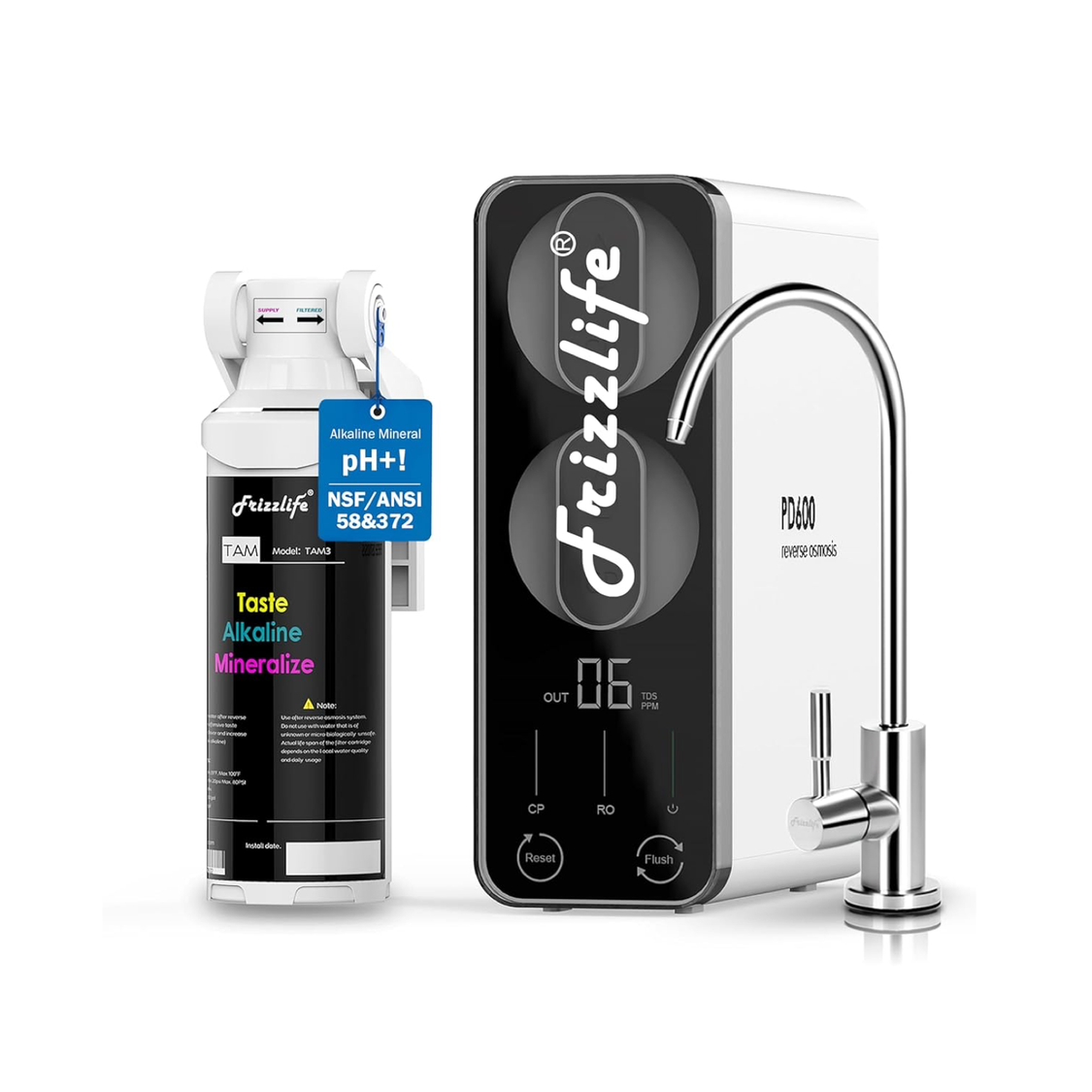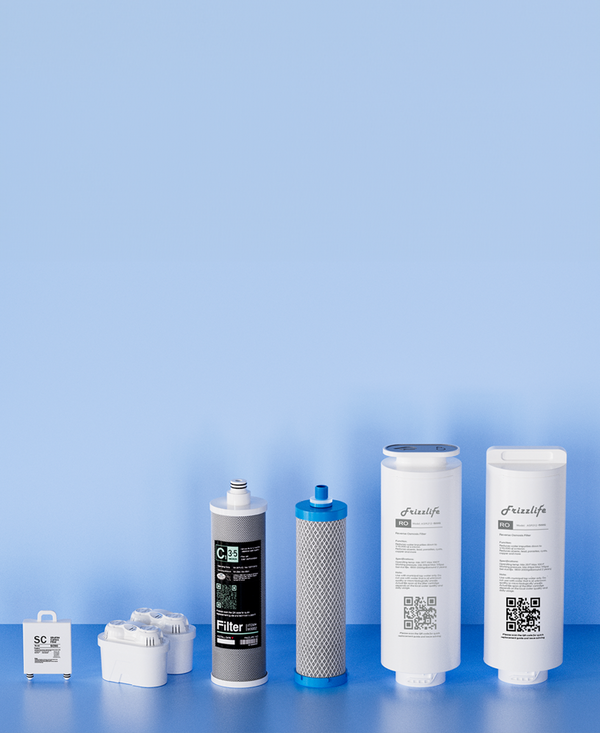
If you are stuck between a water filter pitcher and an under-sink system, the decision hinges on two key factors: your daily volume of filtered water use and your specific contaminant‑removal requirements. These two criteria will determine which system better fits your household needs. A pitcher looks cheaper and simpler at first. An under-sink filter feels like more commitment. But for many households, the wrong choice becomes obvious only after weeks of refilling, waiting, and replacing filters.
Who should choose THIS option — and who should choose the alternative
Understanding which system aligns with your living situation, water consumption habits, and filtration needs simplifies the decision-making process.
Comparison Snapshot: Choose a water filter pitcher if you rent, use under 1 gallon a day, and want the lowest upfront cost
Standard pitchers are designed primarily for improving taste, reducing odor, and providing limited contaminant reduction for basic drinking water needs. They are not intended to address fluoride, nitrates, or a broad range of dissolved contaminants, so they are not the right choice for those specific concerns.
Choose a water filter pitcher if you want the lowest-risk starting point: no installation, low upfront cost, easy to move, and good enough filtration for better taste, odor, and basic drinking water improvement. It makes the most sense for renters, dorms, one-person households, or anyone using less than about 1 gallon of filtered water a day.
Choose an under-sink water filter installed under the sink if your household drinks and cooks with filtered water daily, if refilling a pitcher already sounds annoying, or if you want stronger contaminant reduction than most pitchers offer. This is usually the better long-term fit for families and higher-use kitchens.
Avoid a pitcher if you hate refilling, have limited fridge space, or want broader contaminant removal. Avoid an under-sink system if you cannot modify plumbing, do not want a dedicated faucet, or cannot justify the higher total cost. If fluoride, nitrates, or wider contaminant concerns are part of the decision, under-sink reverse osmosis is usually the safer choice than a pitcher.
Quick Choice Guide: Choose an under-sink water filter if your household drinks and cooks with filtered water daily and refilling a pitcher already annoys you
This is where many people stop hesitating. If filtered water is only for the occasional glass, a pitcher is fine. If filtered water is part of your daily routine for drinking, filling bottles, making coffee, cooking pasta, rinsing produce, or mixing drinks, a pitcher starts to feel like a chore very fast.
That is the pattern many households report: they start with a pitcher because it is cheap and easy, then get tired of the refill cycle and upgrade. The key point is that the pitcher’s weakness is not just filtration strength. It is friction. Every extra step lowers how often people actually use it.
Choose a pitcher filter when portability and no-install convenience matter more than filtration strength
A pitcher wins when your life is not stable enough for a fixed system. If you rent, move often, live in a dorm, share a kitchen, or cannot touch plumbing, a pitcher is the safer choice. You can start using it the same day, take it with you, and avoid any risk of leaks or landlord issues.
It also makes sense when your goal is modest: better taste, less chlorine smell, and a simple way to improve tap water without spending much. In that case, paying for under-sink hardware, possible installation, and replacement cartridges may be more system than you need.
Choose an under-sink system when convenience, higher capacity, and cleaner-tasting water matter more than setup effort
An under-sink filter wins when you want filtered water on demand and enough volume for real household use, as filters attach directly to water lines for consistent access to clean and safe drinking water. This matters more than many buyers expect. A family that drinks a lot of water, fills reusable bottles, cooks often, or uses filtered water for kids will usually outgrow a pitcher quickly.
Under-sink systems also tend to offer better contaminant reduction than standard pitchers, and reverse osmosis under sink vs water filter pitcher is not a close contest if your concern is fluoride, nitrates, or a broader list of dissolved contaminants.
Avoid a water filter pitcher if frequent refilling, fridge space, or counter clutter already feels like a hassle
People who regret choosing a pitcher usually underestimated how often they would refill it. If your kitchen is busy, your fridge is full, or your counter already feels crowded, a pitcher becomes one more thing in the way. What looked simple at checkout can become daily irritation.
Avoid an under-sink filter if you cannot modify plumbing, add a dedicated faucet, or justify the higher total cost
Understanding the pros and cons of under-sink systems is key, as they are not a casual purchase. Some need room under the sink, some need a dedicated faucet, and some households need professional installation. If that setup effort already feels like a barrier, you may resent the purchase even if the water is better.

The core trade-offs between options that actually matter
Each system excels under distinct conditions, and recognizing these trade-offs leads to a more informed and satisfying choice.
Why a water filter pitcher works better when simplicity beats performance
A pitcher is appealing for a reason. It removes the hardest part of buying a filter system: commitment. No tools, no drilling, no plumbing changes, no concern about whether an under-sink unit will fit around your garbage disposal or cleaning supplies. You buy it, rinse it, fill it, and start using it.
That simplicity matters most when your water needs are light and your standards are practical rather than strict. If your tap water is municipally treated, tastes a bit off, smells like chlorine, and you mainly want nicer drinking water, a certified pitcher can be enough. In that situation, asking “is a water filter pitcher better than an under sink filter?” has a simple answer: yes, if your real priority is low hassle at the start, not maximum performance later.
But this is also where buyers fool themselves. A pitcher feels easy because the work is spread out into small repeated tasks: refill it, wait for it to filter, put it back in the fridge, notice it is empty again, replace the cartridge sooner than expected. None of those tasks is hard. Together, they become the product.
So a pitcher works better when simplicity beats performance only if you truly value no-install convenience more than speed, volume, and stronger filtration. If you use under 1 gallon a day, that trade-off is often acceptable. If you use it more, the same simplicity starts to cost you time and patience.
Pitchers also have limits in what they remove. Many are aimed at chlorine, taste, odor, and some heavy metals or particulates depending on certification. They do not usually match under sink filter vs pitcher for removing contaminants when the concern includes fluoride, nitrates, arsenic, dissolved solids, or a wider range of contaminants. That does not make pitchers useless. It means they are best for mild water quality issues, not broad water quality uncertainty.
Taste is another place where buyers need to be honest. Under sink filter vs pitcher for taste and odor is not always a landslide. A good pitcher can improve taste a lot if chlorine is the main issue. So if your complaint is “my tap water tastes bad,” a pitcher may solve the problem well enough. If your complaint is “I want safer drinking water because I am worried about what is in it,” that is a different decision, and a pitcher may not go far enough.
Why an under-sink water filtration system is the better choice when speed and volume matter
Under-sink systems win when filtered water is not an occasional product but part of how your kitchen works. That is the real dividing line. If you are filling glasses, bottles, coffee makers, pots, and pet bowls every day, a pitcher adds friction to every one of those actions. An under-sink system removes that friction because the water is there when you turn on the tap.
This is why households often switch after starting with a pitcher. The issue is not that the pitcher failed to filter water. It failed to keep up with life. Families, heavy water drinkers, and people who cook often usually care less about the theory of filtration and more about whether filtered water is available right now.
There is a trade-off. Some under-sink systems, especially reverse osmosis, can have slower flow from a dedicated faucet than people expect. That can surprise buyers who assume “installed” means “fast.” Even when a dedicated under-sink faucet runs slower than the main tap, it still delivers water on demand and is typically less disruptive than batch filtering and constant pitcher refills. In real use, though, even a somewhat slower dedicated faucet often feels easier than repeated pitcher refills because the water is still on demand and does not require planning ahead.
Under-sink systems also tend to have higher capacity and longer filter life. That changes the ownership experience. Instead of frequent small interruptions, you get less frequent but more deliberate maintenance. For many people, that is easier to live with.
Is RO better than a pitcher filter if your main concern is removing more contaminants than pitcher models typically can?
Yes. If your main concern is removing more contaminants than pitcher models typically can, reverse osmosis under sink vs water filter pitcher is not a close call. RO systems are usually the stronger choice for fluoride, nitrates, many dissolved solids, and a broader contaminant profile.
This matters if your local water report raises concerns, if you use well water with known issues, or if you simply do not want to guess whether a pitcher covers the contaminants you care about. Does a pitcher filter remove fluoride like RO? Usually not. That alone settles the choice for many buyers.
What do you give up by choosing an under-sink RO system over a pitcher?
You give up low upfront cost, portability, and easy setup. You may also need under-sink space, occasional sanitizing or membrane changes, and possibly a dedicated faucet. Some systems produce water more slowly than a standard tap. Some waste water during filtration. And unlike a pitcher, you cannot take it with you easily.
Those sacrifices are acceptable when contaminant reduction and daily convenience matter more than simplicity.
When does a gravity or countertop water filter actually make more sense than both?
A countertop or gravity system makes more sense when you want stronger filtration or higher capacity than a pitcher, but cannot install an under-sink unit, and understanding RO vs gravity filter helps clarify performance differences for clean and safe drinking water. This is often the middle path for renters, older homes, or people who want to avoid plumbing changes. Under sink filter vs countertop filter vs pitcher usually comes down to this: pitcher for lowest commitment, countertop for no-install but better daily usability, under-sink for the best long-term convenience, and countertop filters usually connect directly to the water supply without permanent plumbing changes.

Cost differences and long-term ownership implications
Initial price tags, ongoing operating expenses, and long-term value all play critical roles in determining which option delivers the most cost-effective performance over time.
Upfront cost: low-cost pitcher filter vs higher-cost under-sink water filter installation
A pitcher wins the upfront price comparison almost every time, as these filters are generally more affordable and require no complex setup to treat water from your tap. That makes it the obvious entry point for students, renters, and anyone unsure whether they even want filtered water long term.
An under-sink system costs more because you are buying hardware, not just a container and cartridge. If installation is simple, the total may stay reasonable. If you need a plumber, extra fittings, or a dedicated faucet hole, the price climbs fast. This is why many buyers hesitate.
But low upfront cost is not the same as low ownership cost. It only means the risk is lower on day one.
Cost per gallon pitcher vs RO: when the cheaper option stops being cheaper
Water filter pitcher vs under sink cost per gallon is where the “cheap” option can stop being cheap. The pitcher’s cost advantage holds firmly only for low-volume filtered water use, such as occasional drinking. This financial benefit weakens significantly once filtered water is used daily for both drinking and cooking, as frequent cartridge replacements quickly add up.
Which is cheaper in the long run: pitcher or RO? For light use, pitcher. For heavy daily use, under-sink often catches up and can become the better value, especially if the system serves both drinking and cooking water. The more gallons your household uses, the less attractive the pitcher becomes.
RO can still cost more per gallon than some basic under-sink carbon systems because of membrane replacement and wastewater, but compared with a heavily used pitcher, it often looks more reasonable than buyers expect.
Replacement filter costs: which system gets expensive faster with heavy use?
Under sink filter vs pitcher filter replacement cost depends on usage, but pitchers usually get expensive faster under heavy use because their cartridges are smaller and need more frequent replacement. That is the hidden cost many people miss. A pitcher feels cheap because each replacement is small. The total over a year can say something else.
Under-sink filters usually have larger cartridges and longer intervals. The replacement event costs more, but happens less often. For a family, that pattern is often easier on both budget and attention.
Is an under-sink filter worth it over a pitcher if your budget is under $1,000 total?
Yes, often. A moderate budget under $1,000 is enough for many under-sink systems, even if installation adds cost. If your household uses filtered water daily, that budget can buy a setup that removes the refill problem for years. If your budget is much tighter, or you are not sure you will stay at home, the pitcher remains the safer financial move.
The key point is this: if your budget is under $1,000 total but your usage is high, under-sink is still very much in play. It is not only for premium remodels.
Fit, installation, or usage differences that change the choice
Beyond cost and filtration performance, physical fit, installation constraints, and real‑world daily usage patterns often play just as critical a role in selecting the ideal water filtration system. These practical factors can quickly narrow down the best option based on living situation, household size, and kitchen workflow.
Why a pitcher is the safer choice for renters, dorms, and frequent movers
Water filter pitcher vs under sink for renters is one of the easiest calls in this comparison. A pitcher is safer because it does not depend on landlord approval, plumbing access, sink configuration, or whether you will move in six months. It also avoids the question many renters do not want to deal with: do under sink filters need a dedicated faucet? Sometimes yes, and that alone can end the discussion.
A pitcher also works in shared spaces where no one wants a semi-permanent setup. If your housing situation is temporary, flexibility matters more than optimization.
Why under-sink filters are better for families, higher water consumption, and water for drinking and cooking
Water filter pitcher vs under sink for safe drinking water changes once filtered water is not just for sipping. Families use more water than they think. Add cooking, lunch boxes, sports bottles, tea kettles, and guests, and a pitcher starts to feel undersized.
This is where under-sink systems fit better for households with higher water consumption. They support volume without turning water into a task and effectively reduce contaminants from the water. If your household has more than two regular users, or if you want filtered water for both drinking and cooking, under-sink usually matches real life better.
Dedicated faucet vs existing faucet: which setup creates less daily friction?
A dedicated faucet can be a benefit or an annoyance. It keeps filtered water separate and clear, but it adds one more fixture and may require drilling. Existing-faucet systems reduce that issue, though compatibility varies.
Daily friction matters more than buyers expect. If using filtered water means reaching for a separate pitcher in the fridge, that is friction. If it means waiting at a small dedicated faucet, that is also friction, but usually less disruptive in a high-use kitchen.
Fastest water filter: when slow fill times become a real deal-breaker
Does an under-sink filter reduce water flow compared to a pitcher? Compared to a pitcher, the answer is tricky. A pitcher has no faucet flow at all; it filters in batches and makes you wait before pouring. An under-sink system may have slower faucet flow than unfiltered tap water, especially RO, but it still gives immediate access.
Fastest water filter is not just about flow rate. It is about how quickly you can get the amount you need without planning ahead. For a single glass, both may feel fine. For a pot of pasta or four water bottles, the pitcher often loses badly.
Maintenance, risk, and regret patterns by option
Each filtration system comes with distinct maintenance demands, potential risks, and common user frustrations that directly impact long-term satisfaction.
Why pitcher filters need more frequent replacement and create more “I forgot to replace the filter” risk
How often to replace pitcher filters vs under sink filters is one of the most practical differences in this comparison. Pitcher filters usually need replacement more often. That creates two problems. First, the ongoing cost adds up. Second, people forget.
That “I forgot to replace it” risk is higher with pitchers because the replacement cycle comes around faster and the system feels casual. People do not treat it like equipment. They treat it like a kitchen item. Then the filter stays too long, performance drops, and confidence drops with it.
Why under-sink systems reduce daily hassle but increase installation and leak-risk concerns
Under-sink systems reduce daily hassle because they remove the refill routine. But they add a different kind of worry: installation quality, fitting compatibility, and possible leaks. That concern is real, especially for people who are not comfortable with plumbing.
This is why some buyers still choose a pitcher even after admitting under-sink would be more convenient. They are not comparing water quality. They are comparing what kind of hassle they are willing to own: repeated small hassle or one-time setup hassle plus low ongoing effort.
When does a pitcher actually make more sense even if under-sink filters offer better filtration?
A pitcher still makes more sense when your water concerns are mild, your housing is temporary, your budget is tight, or you are not sure you want a permanent system. Better filtration is not always the winning factor. If you only need modest improvement and low commitment, the pitcher’s limits may be acceptable.
What regrets show up most often after choosing the wrong option?
Pitcher regret usually sounds like this: “I am always refilling it,” “it takes up fridge space,” “we ran out again,” or “I did not realize how often I would need new filters.” Under-sink regret usually sounds like this: “I should have checked the install requirements,” “I did not want another faucet,” or “I spent more than I planned.”
The more common regret in active households is choosing too little system, not too much. People with higher daily use often underestimate how annoying a pitcher becomes.

Which option handles your water quality concerns better?
Different contaminants and treatment goals call for distinct levels of filtration performance under guidelines like EPA's Safe Drinking Water Act, making it critical to align system capabilities with actual household water treatment needs.
Why under-sink RO is the safer choice if your local water has fluoride, nitrates, or broader contaminant concerns
If your local water has fluoride, nitrates, or broader contaminant concerns, under-sink RO is the safer choice because it addresses a wider range of dissolved contaminants than most pitchers. This is the answer to “which removes more contaminants pitcher filter or under sink system?” In most cases, under-sink wins, and RO wins by the widest margin.
If your concern is not just taste but actual contaminant reduction across a broader list, this is where the decision usually turns. A pitcher may improve water. RO is more likely to change what is actually left in it.
Why a certified pitcher filter can still be enough for better-tasting tap water and basic drinking water improvement
A certified pitcher filter can still be enough if your water is already treated and your main complaints are chlorine taste, odor, or minor aesthetic issues. In that case, paying for RO may solve a problem you do not really have.
This is why some buyers asking “water filter pitcher vs under sink for safe drinking water” should first check their local water report. If the report is clean and your issue is mostly taste, a pitcher may be enough.
Remove more contaminants than pitcher: when that difference is meaningful enough to pay for
The difference is meaningful enough to pay for when your water report shows specific contaminants a pitcher does not target well, when you have infants or medically sensitive household members, when you are on well water with known issues, or when uncertainty itself is the problem and you want broader protection.
Is a pitcher enough for safe drinking water if your water quality issues are mild?
Yes, sometimes. If your water quality issues are mild and your municipal supply is already within standards, a certified pitcher may be enough for safe drinking water and better taste. But “mild” is doing a lot of work there. If you do not know what is in your water, a pitcher is a weaker bet than an under-sink system designed for broader reduction.
Which option fits your kitchen and daily routine better?
Each filtration system fits differently into kitchen layouts and daily habits, and practical living conditions often play just as important a role as filtration performance in the final decision.
Why a water filter pitcher loses appeal in busy kitchens with limited fridge and counter space
Water filter pitcher vs under sink for small kitchens often sounds like a point for the pitcher because it is small and simple. In real life, small kitchens are exactly where pitchers can become annoying. They take up fridge space, land on the counter during refills, and add one more object to move around.
In a busy kitchen, that clutter matters. A pitcher is easy to buy but not always easy to live with.
Why under-sink water filters win when you want filtered water on demand from the kitchen sink
Under-sink water filters win when you want filtered water on demand because they remove the storage problem. No fridge slot, no waiting for a batch to chill, no checking whether someone emptied the pitcher and forgot to refill it. If convenience is the goal, this is the cleaner setup.
Sink and countertop trade-offs: when a countertop water filter beats both pitcher and under-sink
Compared to countertop models, under-sink systems offer more discreet installation, while countertop filters may provide a simpler middle ground for renters seeking reliable water purification. It does take visible space, so it is not ideal for every kitchen. But for renters with moderate to high water use, it can be the least frustrating compromise.
When does faucet access, water flow, and fill speed change the right water filter choice?
These factors change the choice when your household uses filtered water in bursts. Morning routines, dinner prep, school lunches, and workout bottle refills expose weak points fast. If several people need water at once, a pitcher can become a bottleneck. If your under-sink faucet is very slow, it may still be better than a pitcher, but only if the convenience of on-demand access outweighs the slower stream.

Final decision: how to choose the right water filtration system for your home
This section distills all prior comparisons into clear, actionable guidance to help identify the most suitable water filtration setup based on household needs, usage habits, and practical constraints.
Choose a water filter pitcher if you want the lowest-risk, lowest-commitment option
A pitcher is the right call when you want to spend the least upfront, avoid installation, keep the option portable, and improve taste or odor without turning this into a home project.
Choose an under-sink water filtration system if you want the best long-term fit for daily home use
An under-sink system is the better fit when filtered water is part of daily life, not an occasional extra, and when stronger filtration or easier access matters enough to justify setup and cost.
Choose neither if your real need is a countertop filter, faucet filter, or whole different filtration system
If you cannot install under-sink but know a pitcher will annoy you, look at countertop systems. If your issue affects the whole home, neither option is enough. If you only want a simple tap upgrade, a faucet filter may fit better.
The simplest rule: match the filter to your water use, water quality concerns, and willingness to install
The wrong choice usually comes from solving only one part of the problem. Buyers focus on price and ignore daily use, or focus on filtration strength and ignore install limits. Match the filter to how much water you use, what you need removed, and how much setup you will tolerate.
Before You Choose
-
If you use more than about 1 gallon of filtered water a day, cross the pitcher off first.
-
If you rent or cannot modify plumbing, cross under-sink off first.
-
Countertop or pitcher systems may be easier to install and remove.
-
Avoid permanent plumbing changes in temporary living situations.
-
-
If fluoride or nitrates are a concern, do not rely on a standard pitcher.
-
If you hate refilling containers, do not talk yourself into a pitcher because it is cheaper.
-
If you have no room under the sink, verify fit before considering under-sink.
-
If your budget only covers the unit but not installation, be careful with under-sink.
-
If your main issue is taste and odor only, a certified pitcher may be enough.
-
If your kitchen is crowded and your fridge is full, do not ignore the space cost of a pitcher.
-
Identify your daily filtered water usage before choosing a system.
-
Compare installation limitations and available kitchen space.
-
Pitchers work well for temporary setups and smaller households.
-
Under-sink systems require plumbing access and dedicated space.
-
-
Match filtration capability to the contaminants you want to address.
FAQs
1. Is a reverse osmosis system worth it over a pitcher?
In the water filter pitcher vs under sink comparison, a reverse osmosis system is well worth the investment for reliable daily use. It clearly answers is RO better than pitcher filter by removing fluoride, nitrates, and dissolved solids pitchers cannot handle. As one of the fastest water filter options for on-demand use, it avoids the constant refilling of pitchers. RO also outperforms gravity filters in both filtration and long-term convenience, making it ideal for regular household use.
2. Does a pitcher filter remove fluoride like RO?
When evaluating water filter pitcher vs under sink performance, most pitchers do not remove fluoride at all. This gap explains why is RO better than pitcher filter for serious contaminant concerns, unlike basic gravity filters. Standard pitchers only improve taste and chlorine, so they cannot remove more contaminants than pitcher media is designed to capture. For reliable fluoride reduction, under-sink RO remains the clear choice over pitcher systems.
3. Which is cheaper in the long run: Pitcher or RO?
Looking at cost per gallon pitcher vs RO figures shows pitchers only save money for very light, occasional use. In the water filter pitcher vs under sink comparison, frequent pitcher cartridge replacements raise long-term costs for daily users. This trend also supports why is RO better than pitcher filter for households using filtered water for drinking and cooking. Even against gravity filters, RO becomes more cost-effective with consistent, high-volume use.
4. Does RO water taste better than pitcher water?
Within the water filter pitcher vs under sink comparison, RO water tastes cleaner because it can remove more contaminants than pitcher filters. It also acts as the fastest water filter for instant, great-tasting water without batch filtering. Gravity filters improve taste slightly but cannot match RO’s ability to reduce minerals and impurities. This performance difference further reinforces why is RO better than pitcher filter for overall water quality.
5. How many contaminants does a standard pitcher miss?
In the water filter pitcher vs under sink comparison, standard pitchers miss dozens of contaminants, including fluoride and nitrates. They simply cannot remove more contaminants than pitcher filtration allows, falling far behind under-sink RO systems. This limitation is a key reason is RO better than pitcher filter for comprehensive protection. Even gravity filters filter more effectively, while RO remains the top choice for addressing a wide range of dissolved impurities.
References