


Brown well water is a symptom, not a diagnosis. The discoloration may come from iron or manganese, disturbed sediment, tannins, rusting plumbing, iron-related biofilm, or surface water entering the well after heavy rain.
The fastest way to narrow the cause is to look at when the color appeared, whether it affects hot or cold water, whether particles settle in a clear jar, and whether the change followed rain, flooding, construction, pump work, or a period of low use.
Do not choose a treatment from color alone. A sediment filter, iron-treatment system, plumbing repair, well disinfection, and reverse osmosis system solve different problems. This guide focuses specifically on diagnosing brown well water and matching the response to the confirmed cause.
Once active sediment, iron, well-integrity, and microbial problems have been addressed, point-of-use RO may be considered for a separately confirmed drinking-water need.
Compare Reverse Osmosis SystemsWhat to Do When Well Water Suddenly Turns Brown
If your well water turns brown all of a sudden, take the following steps before choosing a filter or continuing normal use.
- Use another source for drinking and cooking when the change is sudden or follows flooding. This is especially important if the water also has a sewage, fuel, solvent, pesticide, or unusual chemical odor.
- Compare hot and cold water. Brown hot water alone often points toward the water heater or hot-water plumbing. Brown water from both sides suggests the incoming water, well, pressure equipment, or whole-house plumbing.
- Run a cold tap briefly and observe the result. If the water clears, disturbed sediment or water sitting in the plumbing may be involved. Persistent discoloration requires further investigation.
- Collect a clear-jar sample. Let the sample sit undisturbed and check whether particles settle.
- Arrange certified laboratory testing. Prioritize bacteria and nitrate after storms or flooding, then add iron, manganese, turbidity, pH, hardness, tannins, and locally relevant contaminants.
When the Discoloration Appears Matters
Brown well water is easier to interpret when you look at the pattern, not only the color. Pay attention to whether it appears first thing in the morning, after the water has been sitting, only from the hot tap, after the pump starts, or after heavy household water use.
These timing clues can help separate a localized plumbing issue from a recurring well or source-water problem.
Quick Triage: What Does the Pattern Suggest?
Often an aesthetic or equipment problem—testing is still recommended:
- Gradual yellow or orange tint with metallic taste and fixture staining
- Tea-colored water that remains clear without particles settling
- Brown flakes limited to hot water
- A brief color change after the pump starts or after long periods without use
Treat these situations as more urgent:
- Sudden dark or milk-chocolate-colored water after heavy rain or flooding
- Sewage, fuel, solvent, pesticide, or unusual chemical odor
- Loss of well pressure or visible damage around the wellhead
- Brown water combined with stomach illness
- A positive total-coliform or E. coli result
- Water used for infant formula before bacteria and nitrate results are known

Why the Same Well Can Look Different From Week to Week
Changes in well water are not always caused by one equipment failure. Seasonal rainfall, nearby ground disturbance, water-table movement, plumbing age, pump cycling, and periods of low household use can all affect how water looks at the tap.
A well may look clear during dry weather and turn cloudy or brown after a storm. Sediment may also appear after construction, pump service, changes in well recovery, or heavy water demand.
Looking at both household patterns and outside conditions makes the next testing step more useful and reduces the risk of buying treatment equipment for the wrong cause.
How to Diagnose Discolored Well Water at Home
The 24-Hour Jar Test
Fill a clear glass jar with cold water. Note the original color, odor, and whether visible particles are present. Let the sample stand undisturbed and check it again after 2 to 24 hours.
- Grit or sand settles at the bottom: Sediment, silt, or a well-screen or pump-related problem may be involved.
- The water remains tea-brown without settling particles: Tannins or dissolved organic color may be involved.
- Orange flakes or rusty particles appear: Oxidized iron or corrosion may be involved.
- Brown slime or stringy material appears: Iron-related biofilm may be involved.
Important: The jar test can separate settling particles from dissolved or organic color, but it cannot identify bacteria, nitrate, manganese concentration, pesticides, or other invisible contaminants. Use it to choose the next test—not to declare the water safe.
Visual, Odor, and Timing Clues
Color clues:
- Yellow to orange: iron, often with orange stains on sinks, tubs, and laundry
- Tea-brown to cola: tannins or dissolved organic color, usually without settling particles
- Cloudy brown: sediment, clay, or turbidity after disturbance
- Brown or orange flakes: corrosion or oxidized iron
Odor clues:
- Metallic: iron, manganese, or corrosion
- Earthy or vegetal: tannins or organic matter
- Swampy or slimy: possible iron-related biofilm
- Sewage or unusual chemical odor: use another water source and arrange urgent testing
Timing clues:
- After long dormancy: water sitting in pipes or disturbed material after startup
- Immediately after pump cycles: sediment movement, pump position, or screen issues
- After storms or snowmelt: surface influence, damaged seals, or disturbed groundwater
- Only from the hot tap: water-heater or hot-water plumbing corrosion
What to Test for
The exact panel should reflect the symptoms, local geology, nearby land use, and recent events around the well.
Core private-well indicators:
- Total coliform
- E. coli when indicated
- Nitrate or nitrate/nitrite
- pH
- Total dissolved solids
Add when the water is brown:
- Total and dissolved iron
- Manganese
- Turbidity
- Color
- Hardness and alkalinity
- Tannins when tea-colored water does not settle
Add based on local risks:
- Lead and copper when corrosion is suspected
- Pesticides or herbicides near intensive agriculture
- Volatile organic compounds near fuel storage, factories, or solvent use
- Other contaminants recommended by the state or local health department
Test at least annually for the standard private-well indicators, and test again after flooding, nearby construction, plumbing work, well repairs, or any change in color, taste, or odor.
Is Brown Well Water Safe to Drink?
Color alone cannot confirm safety. Iron, sediment, and tannins may mainly affect appearance, taste, staining, and equipment performance, but the same brown appearance may occur alongside bacteria, nitrate, corrosion-related metals, or surface-water contamination.
If the discoloration appeared suddenly, followed heavy rainfall or flooding, or includes sewage or chemical odors, use bottled water or another trusted source for drinking and cooking until the well has been inspected and appropriate laboratory results are available.
Do not rely on boiling to solve every brown-water problem. Boiling may address some microorganisms when official emergency guidance recommends it, but it does not remove nitrate, metals, sediment, pesticides, fuel, or other chemical contaminants.
What Causes Brown Well Water?
Iron and Manganese
Dissolved ferrous iron may enter the home looking clear. When it contacts oxygen, it can oxidize into rusty ferric iron, producing yellow, orange, or brown water and staining fixtures and laundry.
Manganese may produce darker brown or black staining. Its measured concentration matters because manganese has both aesthetic and health-related considerations, especially for infants and long-term exposure.
Iron-Related Biofilm and Slime
Brown slime, stringy material, or deposits in toilet tanks may indicate iron-related biofilm. This does not prove that disease-causing bacteria are present, but it also does not rule out separate microbial contamination.
Include bacteria testing when the cause is uncertain, particularly after storms, flooding, well repairs, or recurring slime.
Rusting Plumbing, Well Casing, or Water Heater
Brown particulate or orange flakes may come from aging steel pipes, corroding well components, a failing water-heater anode, or sediment accumulating inside the heater.
If only the hot water is brown, inspect the heater and hot-water plumbing before choosing a new whole-house treatment system.

Sediment, Silt, and Turbidity
Cloudy brown water that leaves grit in a jar or faucet aerator often points toward sediment, clay, or aquifer disturbance.
Possible causes include heavy rainfall, flooding, nearby drilling, construction, changes in groundwater flow, pump cycling, a damaged screen, or a pump installed too close to the bottom of the well.
Heavy or recurring sediment can wear the pump, block fixtures, reduce flow, and damage appliances. Capturing the sediment is useful, but the underlying well condition may also need repair.
Tannins and Organic Color
Tannins from decaying plant material may produce clear tea-colored or cola-colored water with an earthy taste. Unlike sediment, the color typically does not settle to the bottom of a jar.
Tannins are common near wetlands, peaty soils, shallow wells, and some coastal areas. Surface-water entry should still be investigated because organic color may occur alongside microbial contamination.
Surface Infiltration After Heavy Rain
If the water repeatedly turns brown after storms, inspect the well cap, casing, sanitary seal, grading, and nearby drainage.
Filtration alone is not enough when surface water is entering the well. Runoff may carry sediment, microorganisms, nitrate, or other contaminants that cannot be identified from color.
Agricultural or Industrial Contamination
Fertilizers, septic systems, livestock waste, pesticides, fuel, solvents, and industrial activities may affect groundwater. Brown color does not prove that these contaminants are present, but storm-related changes near agricultural or industrial activity justify targeted laboratory testing.

Testing and Professional Diagnosis
Choosing a Laboratory
Use a state-certified drinking-water laboratory. Ask whether the laboratory provides:
- Clear analytical methods and detection limits
- Instructions for sample collection and preservation
- Interpretation notes or applicable health and aesthetic benchmarks
- Panels matched to private-well conditions and local land use
Testing costs vary by location, number of contaminants, sampling method, and whether an on-site visit is included. Request a current written quote rather than relying on a national estimate.
Do You Need a Plumber or Well Contractor First?
- Brown hot water only: Start with a plumber or water-heater professional.
- Brown hot and cold water across the home: Test the incoming water and contact a licensed well contractor.
- Sand, low yield, pressure loss, or pump problems: Contact a well contractor promptly.
- One affected fixture: Inspect the fixture and local supply line.
- Color after storms or flooding: Inspect the wellhead and arrange bacteria, nitrate, and turbidity testing.
On-Site Diagnostics Professionals May Use
- Well-cap, casing, seal, and sanitary-protection inspection
- Pump, pressure tank, and screen assessment
- Flow and recovery testing
- Borehole camera when structural problems are suspected
- Review of disinfection history and signs of recurring biofilm
- Inspection of grading, drainage, septic setbacks, and nearby contamination risks
Common Misdiagnoses
- Installing only a water softener for heavy iron, manganese, sediment, or biofilm
- Skipping bacteria testing because the water looks like rust
- Installing a filter without inspecting a damaged wellhead or casing
- Ignoring hot-water corrosion and replacing unrelated well equipment
- Using kitchen RO as the first treatment for visibly brown raw water
How to Decide What Kind of Fix Makes Sense
First decide whether the problem is localized, house-wide, recurring, or linked to an outside event.
If brown water appears at one fixture or only on the hot side, inspect plumbing components first. If it appears throughout the home, focus on the incoming water, pressure equipment, well system, or whole-house plumbing.
When discoloration follows storms, snowmelt, excavation, or pump work, source-water and well conditions become stronger suspects.
Frequency matters as well. A one-time event may require inspection and follow-up testing. Repeated discoloration usually requires a more durable response involving repair, filtration, disinfection, or better wellhead protection.
Match the Treatment to the Confirmed Cause
Brown well water does not have one universal filter solution. Match treatment to the laboratory result, household flow, well capacity, and the physical condition of the well and plumbing.
Sediment and Turbidity
Settling grit may require a spin-down separator, cartridge sediment filter, or backwashing turbidity filter. Heavy or recurring sediment also requires inspection of the pump, screen, casing, and surrounding ground conditions.
Iron and Manganese
Treatment may use oxidation followed by filtration. The oxidant, media, contact time, backwash flow, and equipment size must match the measured iron, manganese, pH, alkalinity, and peak household flow.
Recurring Slime or Biofilm
Well and plumbing disinfection may be part of the response, but recurring growth also requires inspection for well defects, stagnant plumbing, and continued contamination sources.
Tannins and Organic Color
Tea-colored water that does not settle may require tannin-selective anion exchange or another treatment selected from testing. A standard sediment cartridge will not remove dissolved organic color.
Rusting Plumbing or Heater
Brown flakes limited to hot water or one part of the home point toward plumbing or appliance repair. Inspect the heater, anode, tank sediment, fixtures, and affected pipe sections.
Surface-Water Entry
Repair the well cap, casing, sanitary seal, drainage, or grading problem. Filtration and disinfection cannot provide a durable solution while contaminated runoff continues entering the well.
Sediment and Silt Removal
Possible treatment:
- Spin-down separators for larger particles
- Cartridge sediment filters for finer particles
- Backwashing turbidity filters for heavier loads
Install sediment control before sensitive downstream treatment equipment. Pressure gauges before and after filters can help show when clogging is restricting flow.
Iron and Manganese Reduction
Oxidizing filters may use air injection, catalytic media, manganese dioxide media, greensand, chlorine, or hydrogen peroxide, depending on the water chemistry and equipment design.
Some water softeners may handle limited dissolved ferrous iron under conditions allowed by the manufacturer. They should not be treated as the general solution for heavy iron, oxidized particles, manganese, or biofilm.
Iron-Related Biofilm Control
Shock disinfection may be used in appropriate situations, followed by flushing and retesting. Recurring growth may require a professionally designed continuous treatment process and repair of the contamination source.
Do not rely on UV alone for heavy sediment, turbidity, or biofilm. Water clarity, pretreatment, lamp condition, flow rate, and maintenance all affect UV performance.
Tannins and Organic Color Removal
Tannins may require anion exchange or another organic-color treatment selected from laboratory results. Confirm tannins before purchasing media because tea-colored water may also have other causes.
Nitrate, Pesticides, and Other Dissolved Contaminants
Brown color does not prove that nitrate, pesticides, arsenic, or another dissolved contaminant is present. These require targeted laboratory testing.
Point-of-use reverse osmosis may be considered for drinking and cooking water when:
- Testing identifies a contaminant suited to the selected RO system
- Active sediment and iron problems have already been controlled
- The wellhead or source-water intrusion problem has been corrected
- The selected model has appropriate product-specific performance information
- The homeowner understands that kitchen RO does not treat every tap in the home

Brown Water Is a Symptom—Test Before Choosing RO
Once sediment, iron, microbial, plumbing, and well-integrity problems have been addressed, compare point-of-use RO systems for a separately confirmed drinking-water need.
Explore Reverse Osmosis Systems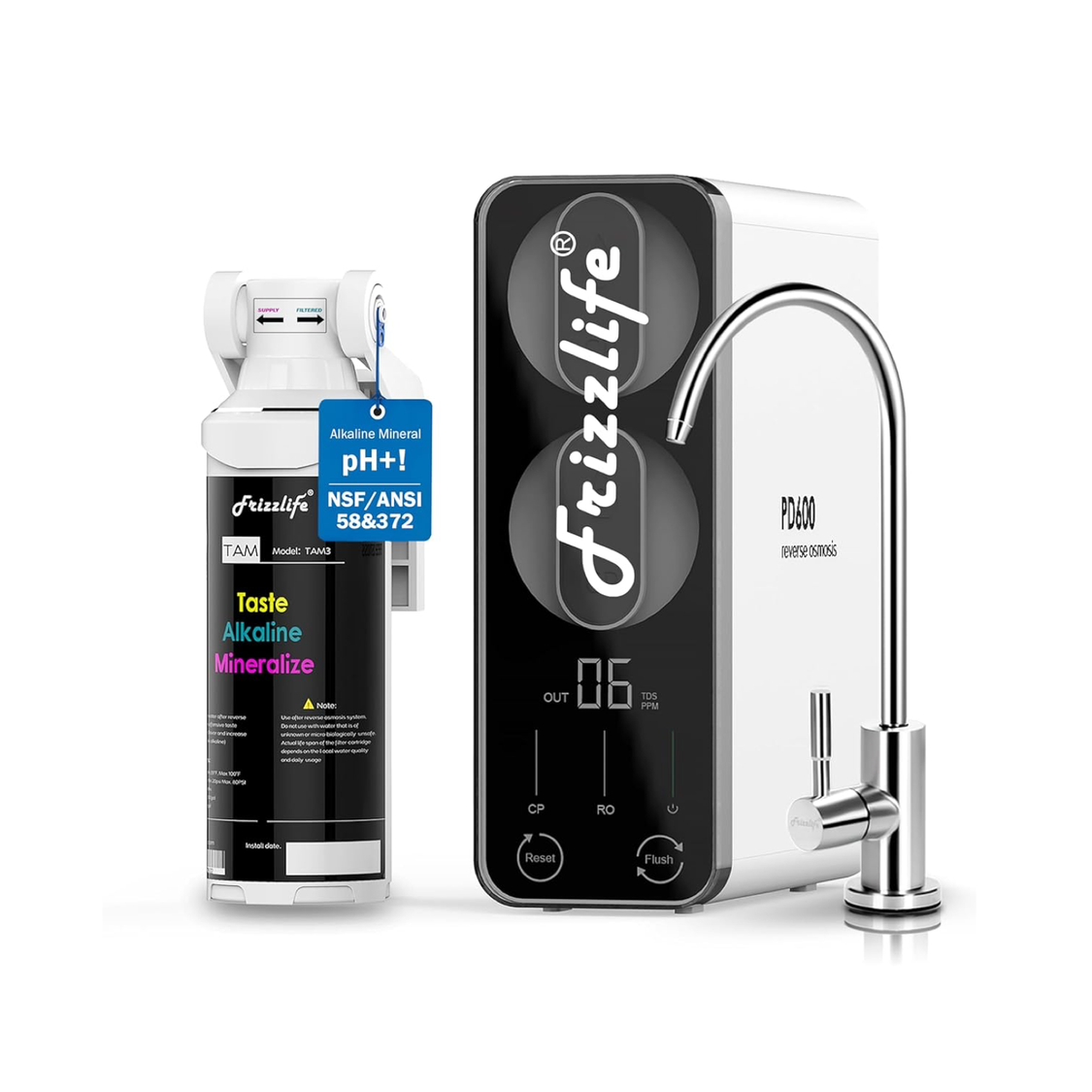
PD600-TAM3 Tankless RO System
A powered 600 GPD under-sink RO system with a tankless design, alkaline remineralization, and real-time TDS monitoring. Consider it only after active sediment, iron, and well-integrity problems have been addressed.
View PD600-TAM3 →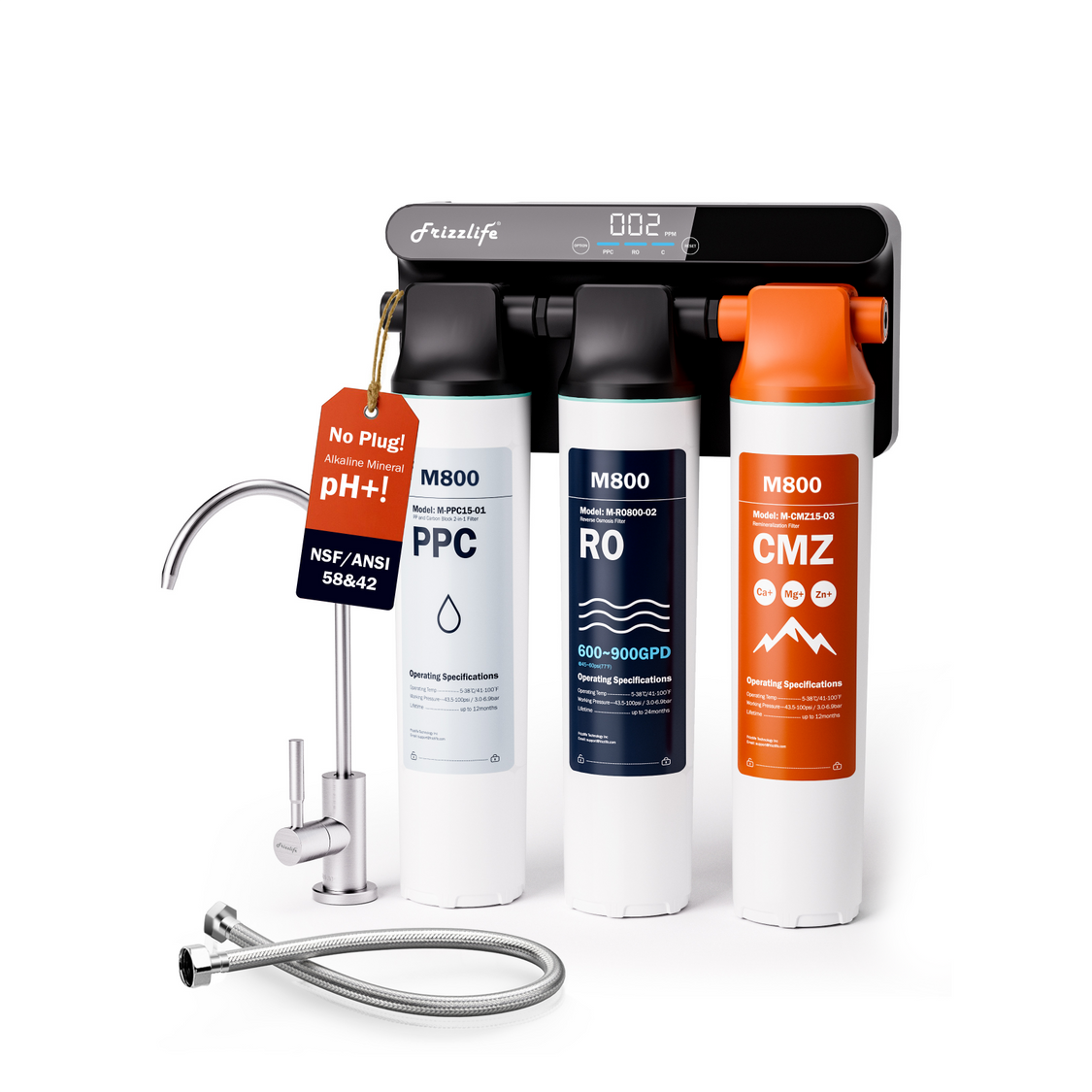
M800 Non-Electric Tankless RO System
A non-electric tankless under-sink RO system with up to 900 GPD output. It uses household water pressure rather than an electric pump, so available pressure and feed-water conditions should be checked before selection.
View M800 →Review current specifications, pressure requirements, pretreatment needs, and model-specific contaminant-reduction information before selecting an RO system for private-well water.
Rusted Plumbing and Water-Heater Issues
- Replace corroded galvanized or steel sections with approved plumbing materials.
- Inspect and replace the water-heater anode when required.
- Flush accumulated tank sediment according to the heater manufacturer’s instructions.
- Inspect fixtures and local supply lines when only one location is affected.
Choosing and Sizing a Whole-House Treatment System
Match the Technology to the Laboratory Results
- Treat heavy sediment before iron, manganese, carbon, UV, or other sensitive equipment.
- Match iron and manganese media to concentration, pH, alkalinity, and required backwash flow.
- Use tannin-selective treatment when tannins are confirmed.
- Use a validated disinfection approach when microbial contamination is confirmed.
- Repair the well or plumbing defect rather than asking treatment equipment to compensate for structural failure.
Basic Sizing Checklist
- Measure peak household flow in gallons per minute.
- Confirm normal and minimum water pressure.
- Use contaminant concentrations to size media volume and service frequency.
- Confirm that the well can supply the required backwash flow.
- Account for guests, rentals, irrigation, and other changes in water demand.
- Ask for written maintenance requirements and expected media life.
Will a Water Softener Fix Brown Well Water?
Not by itself. A softener treats hardness and may handle limited dissolved iron only under conditions approved by its manufacturer.
It will not repair the well, remove heavy sediment, reliably treat tannins, solve oxidized iron particles, disinfect the water, or correct surface-water entry. Iron can also foul a softener when the equipment is not designed for the measured load.
Planning Costs and Ongoing Maintenance
The following figures are broad planning estimates, not current quotes. Actual costs vary by laboratory results, system size, flow requirements, installation conditions, location, permitting, plumbing repairs, well repairs, and equipment specifications. Confirm current pricing with qualified local providers.
| Solution | Broad Planning Range | Typical Maintenance Considerations |
|---|---|---|
| Spin-down or cartridge sediment filter | $50–$300 | Clean or replace based on pressure drop and sediment load |
| Backwashing turbidity filter | $600–$1,200 | Backwash cycles, control-valve service, media condition |
| Oxidizing iron or manganese filter | $1,200–$3,000 | Media care, backwash flow, oxidant or air system maintenance |
| Professional well disinfection | $200–$600 | Flushing, retesting, and correction of the contamination source |
| Continuous oxidation plus carbon | $800–$3,000 | Oxidant supply, pump service, contact tank, carbon replacement |
| Anion exchange for tannins or nitrate | $800–$2,000 | Regeneration, salt, breakthrough monitoring, water chemistry |
| UV disinfection after pretreatment | $400–$1,200 | Lamp, sleeve, flow limits, water clarity, annual service |
| Point-of-use RO for drinking water | $200–$800+ | Prefilters, membrane, post-filter, sanitization, feed conditions |
| Whole-house RO in specialized cases | $4,000–$10,000+ | Extensive pretreatment, storage, pumping, drain water, service |
| Water-heater service or replacement | $150–$2,500+ | Anode replacement, flushing, repair, or full replacement |
Preventing Brown Water From Returning
Annual and Event-Based Testing
- Test the standard private-well indicators at least annually.
- Test after flooding, heavy rainfall, nearby construction, well repairs, or plumbing changes.
- Retest whenever the color, taste, or odor changes.
- Keep previous results so trends can be compared over time.
Wellhead Protection and Drainage
- Keep the well cap secure and in good condition.
- Maintain the required casing height and sanitary seal.
- Slope soil away from the well to reduce ponding.
- Maintain required setbacks from septic systems, livestock, chemicals, and fuel storage.
- Use qualified professionals for wellhead repairs.
Plumbing and Appliance Maintenance
- Inspect and service the water heater according to its instructions.
- Clean faucet aerators and check whether sediment returns.
- Replace treatment cartridges and media based on actual condition and manufacturer guidance.
- Track pressure before and after whole-house filters.
- Inspect aging galvanized pipes and corrosion-prone fixtures.
Landscaping and Property Practices
- Keep fertilizers and pesticides away from the wellhead.
- Store fuels and chemicals far from the casing.
- Manage stormwater so it does not collect around the well.
- Watch for changes after excavation, landscaping, or construction.
Regional and Seasonal Factors
Geology and Soil
- Iron and manganese are common in many aquifers and bedrock formations.
- Tannins are more common near wetlands, peat, and decaying organic material.
- Sandy or unconsolidated aquifers may be more prone to sediment movement.
Weather and Water-Table Changes
- Heavy rain, snowmelt, and flooding may increase turbidity and surface-water influence.
- Drought may lower water levels, change groundwater flow paths, and draw sediment toward the pump.
- Freeze-thaw cycles and storm damage may affect caps, seals, and drainage.
Why Does Well Water Turn Brown After Heavy Rain?
Rain may disturb groundwater sediment or enter through a damaged cap, casing, seal, or poorly graded area around the well.
Because runoff may also carry microorganisms and nitrate, use another drinking-water source and arrange testing when discoloration follows flooding or repeatedly appears after storms.
Common Diagnosis Examples
Brown and Gritty Water After Rain
Settling grit suggests sediment, but recurring discoloration after storms also calls for inspection of the cap, seal, casing, grading, and nearby drainage. Treatment should not stop at installing a cartridge if surface water continues entering the well.
Brown Hot Water With Clear Cold Water
This pattern points toward the water heater or hot-water plumbing. Inspect the anode, tank sediment, corrosion, and affected pipe sections before selecting well-treatment equipment.
Tea-Colored Water That Does Not Settle
Persistent clear brown color may indicate tannins. Confirm with laboratory testing before choosing anion exchange or another organic-color treatment.
Quick Cause-to-Action Map
| Symptom or Appearance | Likely Cause | Quick Clue | Test or Inspection | Best First Direction |
|---|---|---|---|---|
| Yellow or orange water with staining | Iron or manganese | Metallic taste and fixture stains | Iron, manganese, pH, hardness, alkalinity | Oxidation and filtration selected from results |
| Cloudy brown water with grit | Sediment or turbidity | Particles settle or collect in aerators | Turbidity, jar test, pump and well inspection | Sediment control plus correction of the source |
| Tea-brown water without settling | Tannins or organic color | Earthy taste and clear brown tint | Tannins and color testing | Tannin-selective treatment |
| Brown slime in a toilet tank | Iron-related biofilm | Stringy or slimy deposits | Bacteria testing and system inspection | Cleaning, disinfection, and correction of recurring causes |
| Brown flakes only from hot water | Heater or plumbing corrosion | Cold water remains clear | Heater, anode, tank, and plumbing inspection | Repair or service the affected equipment |
| Brown water after heavy rain | Surface infiltration or disturbed sediment | Appears after storms | Coliform, E. coli, nitrate, turbidity, wellhead inspection | Use alternate water, repair the well, treat as testing indicates |
What to Do Next
- Compare hot and cold water and check more than one faucet.
- Record whether the change followed rain, flooding, construction, pump work, or low use.
- Use a clear-jar test to see whether particles settle.
- Use another drinking-water source when the change is sudden, follows flooding, or includes sewage or chemical odors.
- Test through a certified laboratory.
- Inspect the wellhead, pump, plumbing, and water heater as the pattern requires.
- Match treatment to the confirmed cause.
- Use point-of-use RO only for an appropriate tested drinking-water need.
- Retest after corrective work and keep maintenance records.
FAQs
1. Why Did My Well Water Suddenly Turn Brown?
A sudden change may come from disturbed sediment, heavy rain, surface infiltration, pump or well work, plumbing corrosion, or oxidized iron. Check whether the color affects hot water, cold water, or both, and whether particles settle in a clear jar.
2. Why Does My Well Water Turn Brown After Heavy Rain?
Rain may disturb groundwater sediment or enter through a damaged cap, casing, seal, or poorly graded area around the well. Because runoff may carry microorganisms and nitrate, use another drinking-water source and arrange testing when the discoloration follows flooding or repeatedly appears after storms.
3. Is Brown Well Water Safe to Drink?
Color alone cannot confirm safety. Iron, sediment, or tannins may mainly affect appearance, but brown water may also occur alongside bacteria, nitrate, corrosion-related metals, or other contamination. Do not assume it is safe until the cause and relevant test results are known.
4. How Long Does Brown Well Water Take to Clear?
Disturbed sediment may clear after limited flushing, while tannins, corrosion, iron, manganese, recurring surface infiltration, or structural well defects will not reliably clear on their own. The duration does not identify the cause, so persistent or recurring discoloration requires testing and inspection.
5. Can I Shower in Brown Well Water?
The answer depends on the cause. Mineral staining alone is different from water affected by flooding, sewage, chemicals, or microbial contamination. Avoid using water from a flooded or potentially contaminated well until official inspection, disinfection, and testing steps have been completed.
6. Why Is Only My Hot Well Water Brown?
Brown hot water with clear cold water usually points toward the water heater, hot-water plumbing, accumulated tank sediment, or corrosion. Inspect and service those components before installing a whole-house treatment system.
7. Will a Water Softener Fix Brown Well Water?
Not in most cases. A softener treats hardness and may handle limited dissolved iron only under conditions allowed by its manufacturer. It does not repair well defects or reliably solve sediment, tannins, oxidized iron particles, manganese, or microbial growth.
8. Can Reverse Osmosis Fix Brown Well Water?
RO is not the first treatment for visibly brown raw water. Sediment, iron, manganese, well defects, corrosion, and microbial contamination require their own treatment or repair. Point-of-use RO may be considered later for separately confirmed dissolved contaminants in drinking and cooking water.
9. What Should I Test When Well Water Is Brown?
Start with total coliform, nitrate, pH, and TDS, then add iron, manganese, turbidity, color, hardness, alkalinity, and tannins based on the appearance. Add lead, copper, pesticides, VOCs, or other contaminants when local conditions or nearby activities justify them.
10. How Do I Clear Up Brown Well Water?
First identify the cause. Settling grit may require sediment control and well inspection; iron and manganese may require oxidation and filtration; tannins need selective treatment; brown hot water may require heater or pipe repair; bacteria require a properly designed disinfection response and correction of the contamination source.
After active sediment, iron, microbial, plumbing, and well-integrity problems have been addressed, compare point-of-use RO systems for an appropriate laboratory-confirmed drinking-water need.
View Reverse Osmosis Water Filter Systems