


A water filter pitcher and an under-sink water filter are best compared by what each option is designed to do, not by a single feature or label. Focus on installation, flow and capacity, space, maintenance, and daily use. Match those factors to your actual water problem and installation conditions, then verify model-specific performance, pressure, capacity, certification, and filter-life details for the exact product you are considering.
Who should choose THIS option — and who should choose the alternative
Comparison Snapshot: Choose a water filter pitcher if you rent, use under 1 gallon a day, and want the lowest upfront cost
Quick Choice Guide: Choose an under-sink water filter if your household drinks and cooks with filtered water daily and refilling a pitcher already annoys you
Choose a pitcher filter when portability and no-install convenience matter more than filtration strength
Choose an under-sink system when convenience, higher capacity, and cleaner-tasting water matter more than setup effort
Avoid a water filter pitcher if frequent refilling, fridge space, or counter clutter already feels like a hassle
Avoid an under-sink filter if you cannot modify plumbing, add a dedicated faucet, or justify the higher total cost

Pitcher vs Under Sink vs Tankless RO
A water filter pitcher and an under-sink filter solve the same convenience question in very different ways. A pitcher requires no plumbing and is easy to move, but it has limited stored volume and must be refilled. An under-sink filter connects to the plumbing, provides water directly at the sink, and requires installation and cartridge service.
Choose based on household volume, available space, willingness to modify plumbing, desired flow, and the filtration function of the exact product. A pitcher is mainly about portability and simple setup, while an under-sink system is mainly about direct access and higher day-to-day convenience at the faucet. For related options, compare our water filter pitchers before choosing a setup.
Key differences that actually matter
Water filter pitcher:
- Lowest upfront cost
- No installation required
- Limited daily capacity
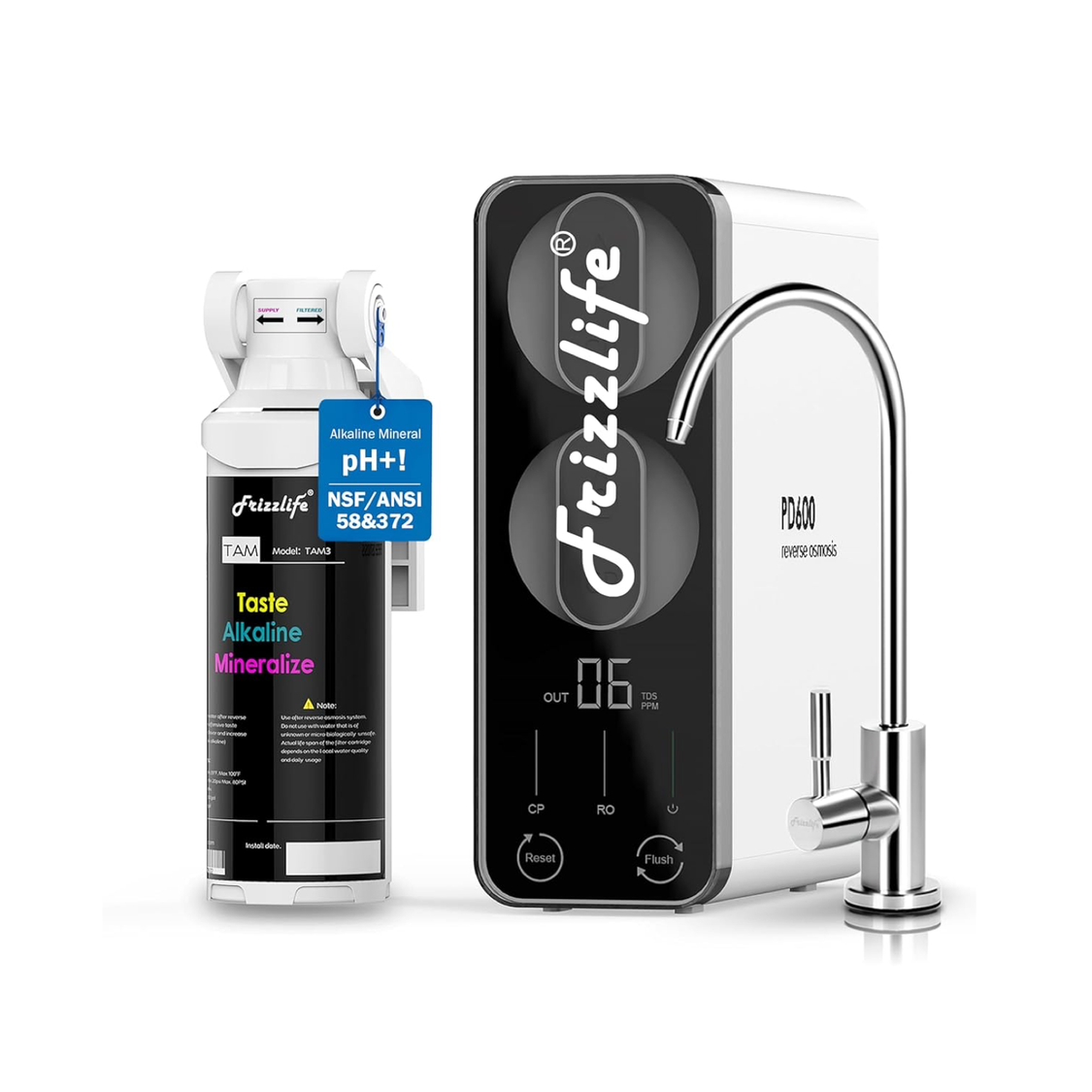
Under-sink RO system:
- High-capacity daily filtration
- Better contaminant reduction
- Requires installation
Tankless RO system:
- Compact and modern design
- High efficiency filtration
- Continuous water flow
Which one should you choose?
Choose a pitcher if:
- You are renting or moving frequently
- You only need small daily water amounts
Choose an under-sink RO system if:
- You use filtered water daily for drinking + cooking
- You want stronger contaminant removal
Choose a tankless RO system if:
- You want space-saving installation
- You prefer a modern kitchen setup
Comparison Block
| Option | Best fit / role | Main trade-off | What to verify |
|---|---|---|---|
| Pitcher | Low-commitment, portable filtration | Refilling and limited stored volume | Filter media, capacity, cartridge availability |
| Under-sink filter | Frequent drinking/cooking use at the sink | Requires plumbing installation | Connection, flow, filter access |
| Tankless RO | Users specifically seeking RO treatment | More installation and system requirements | Verified RO performance and model fit |
The core trade-offs between options that actually matter
Why a water filter pitcher works better when simplicity beats performance
Why an under-sink water filtration system is the better choice when speed and volume matter
Is RO better than a pitcher filter if your main concern is removing more contaminants than pitcher models typically can?
What do you give up by choosing an under-sink RO system over a pitcher?
When does a gravity or countertop water filter actually make more sense than both?

Cost differences and long-term ownership implications
Upfront cost: low-cost pitcher filter vs higher-cost under-sink water filter installation
Cost per gallon pitcher vs RO: when the cheaper option stops being cheaper
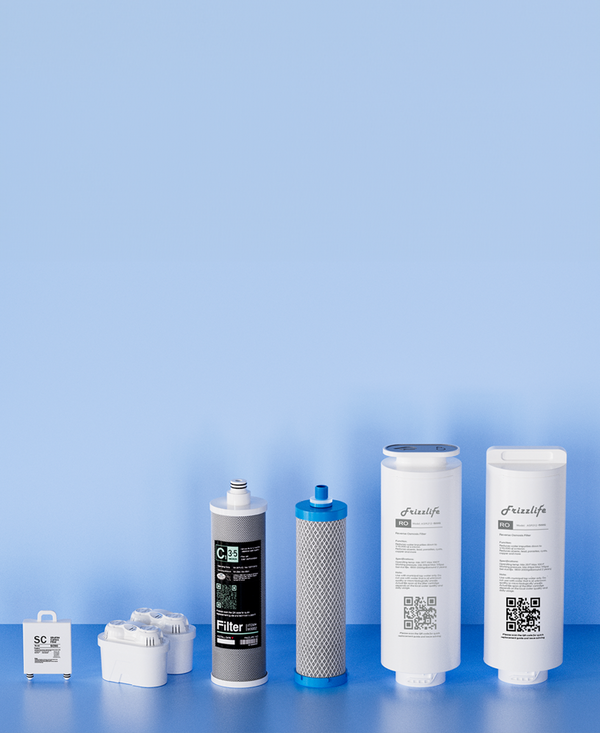
Replacement filter costs: which system gets expensive faster with heavy use?
Is an under-sink filter worth it over a pitcher if your budget is under $1,000 total?

Fit, installation, or usage differences that change the choice
Why a pitcher is the safer choice for renters, dorms, and frequent movers
Why under-sink filters are better for families, higher water consumption, and water for drinking and cooking
Dedicated faucet vs existing faucet: which setup creates less daily friction?
Fastest water filter: when slow fill times become a real deal-breaker
Maintenance, risk, and regret patterns by option
Why pitcher filters need more frequent replacement and create more “I forgot to replace the filter” risk
Why under-sink systems reduce daily hassle but increase installation and leak-risk concerns
When does a pitcher actually make more sense even if under-sink filters offer better filtration?
What regrets show up most often after choosing the wrong option?

Which option handles your water quality concerns better?
Why under-sink RO is the safer choice if your local water has fluoride, nitrates, or broader contaminant concerns
Why a certified pitcher filter can still be enough for better-tasting tap water and basic drinking water improvement
Remove more contaminants than pitcher: when that difference is meaningful enough to pay for
Is a pitcher enough for safe drinking water if your water quality issues are mild?
Which option fits your kitchen and daily routine better?
Why a water filter pitcher loses appeal in busy kitchens with limited fridge and counter space
Why under-sink water filters win when you want filtered water on demand from the kitchen sink
Sink and countertop trade-offs: when a countertop water filter beats both pitcher and under-sink
When does faucet access, water flow, and fill speed change the right water filter choice?

Final decision: how to choose the right water filtration system for your home
Choose a water filter pitcher if you want the lowest-risk, lowest-commitment option
Choose an under-sink water filtration system if you want the best long-term fit for daily home use
Choose neither if your real need is a countertop filter, faucet filter, or whole different filtration system
The simplest rule: match the filter to your water use, water quality concerns, and willingness to install
Final Recommendation: Match Your Lifestyle First
The best water filtration system is not the most advanced one — it is the one that fits your daily usage.
- Low usage / temporary living → pitcher
- Daily household water needs → under-sink RO system
- Space-saving modern kitchens → tankless RO system
Before You Choose
-
If you use more than about 1 gallon of filtered water a day, cross the pitcher off first.
-
If you rent or cannot modify plumbing, cross under-sink off first.
-
Countertop or pitcher systems may be easier to install and remove.
-
Avoid permanent plumbing changes in temporary living situations.
-
-
If fluoride or nitrates are a concern, do not rely on a standard pitcher.
-
If you hate refilling containers, do not talk yourself into a pitcher because it is cheaper.
-
If you have no room under the sink, verify fit before considering under-sink.
-
If your budget only covers the unit but not installation, be careful with under-sink.
-
If your main issue is taste and odor only, a certified pitcher may be enough.
-
If your kitchen is crowded and your fridge is full, do not ignore the space cost of a pitcher.
-
Identify your daily filtered water usage before choosing a system.
-
Compare installation limitations and available kitchen space.
-
Pitchers work well for temporary setups and smaller households.
-
Under-sink systems require plumbing access and dedicated space.
-
-
Match filtration capability to the contaminants you want to address.
FAQs
1. Is a reverse osmosis system worth it over a pitcher?
In the water filter pitcher vs under sink comparison, a reverse osmosis system is well worth the investment for reliable daily use. It clearly answers is RO better than pitcher filter by removing fluoride, nitrates, and dissolved solids pitchers cannot handle. As one of the fastest water filter options for on-demand use, it avoids the constant refilling of pitchers. RO also outperforms gravity filters in both filtration and long-term convenience, making it ideal for regular household use.
2. Does a pitcher filter remove fluoride like RO?
When evaluating water filter pitcher vs under sink performance, most pitchers do not remove fluoride at all. This gap explains why is RO better than pitcher filter for serious contaminant concerns, unlike basic gravity filters. Standard pitchers only improve taste and chlorine, so they cannot remove more contaminants than pitcher media is designed to capture. For reliable fluoride reduction, under-sink RO remains the clear choice over pitcher systems.
3. Which is cheaper in the long run: Pitcher or RO?
Looking at cost per gallon pitcher vs RO figures shows pitchers only save money for very light, occasional use. In the water filter pitcher vs under sink comparison, frequent pitcher cartridge replacements raise long-term costs for daily users. This trend also supports why is RO better than pitcher filter for households using filtered water for drinking and cooking. Even against gravity filters, RO becomes more cost-effective with consistent, high-volume use.
4. Does RO water taste better than pitcher water?
Within the water filter pitcher vs under sink comparison, RO water tastes cleaner because it can remove more contaminants than pitcher filters. It also acts as the fastest water filter for instant, great-tasting water without batch filtering. Gravity filters improve taste slightly but cannot match RO’s ability to reduce minerals and impurities. This performance difference further reinforces why is RO better than pitcher filter for overall water quality.
5. How many contaminants does a standard pitcher miss?
In the water filter pitcher vs under sink comparison, standard pitchers miss dozens of contaminants, including fluoride and nitrates. They simply cannot remove more contaminants than pitcher filtration allows, falling far behind under-sink RO systems. This limitation is a key reason is RO better than pitcher filter for comprehensive protection. Even gravity filters filter more effectively, while RO remains the top choice for addressing a wide range of dissolved impurities.
6. Is a water filter pitcher better than an under-sink filter?
Neither is automatically better. A pitcher is portable and simple, while an under-sink filter provides direct faucet access and higher convenience for frequent use. Compare filtration goals and daily volume.
7. Which is easier to maintain?
Pitchers are easy to access but require refilling and cartridge changes. Under-sink systems avoid refilling but require under-cabinet cartridge service.
8. When should I choose under-sink filtration instead of a pitcher?
Choose under-sink filtration when you want filtered water directly from the sink, have compatible plumbing and space, and prefer not to refill a pitcher throughout the day.
References
Related Guides
Explore complete reverse osmosis systems and compare based on real household performance.